We challenge our contributors to reply to ten devilishly probing questions about their London and we don’t take “Sorry Gov” for an answer. Everyone sitting in the hot seat they will face the same questions ranging from their favourite way to spend a day out in the capital to their most hated building on London’s skyline to find out what Londoners think about their city. The questions are the same but the answers vary wildly.
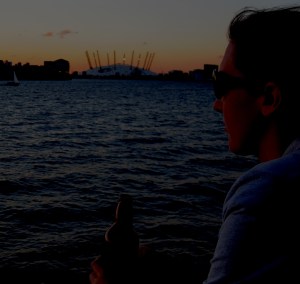
I am a London blogger and former journalist – now working in comms. First generation ‘Sarf’ Londoner born to Irish parents. I have fond memories of hanging out on the South Bank as a child in the ’80s when there was nothing much except booksellers and ‘Cardboard City’ and spotting weird-looking ‘dinosaurs’ in Crystal Palace Park (every Londoner should visit at least once!). These days, I love cocktail bars, street art, galleries, museums, photography and history. I launched Memoirs of a Metro Girl, my London culture and history blog in 2012, but my blogging productivity (and leisure time) has taken a hit thanks to parenting a toddler and renovating our flat in the past 2 years.
What’s your secret London tip?
Somerset House runs a historical highlights tour where you get to see inside some of the building’s spaces usually off limits to the public, like the ‘deadhouse’ underneath the courtyard and the Miles staircase.
What’s your secret London place?
Bonnington Square in Vauxhall is a special neighbourhood. A square of Victorian terraces built for railway workers, it has two community gardens, a deli café and a friendly vibe. It has a fascinating history, having escaped demolition and was rescued by squatters in the 1980s, who eventually set up a cooperative and bought the houses from the council.
What’s your biggest gripe about London?
The housing market is depressing. There are many reasons why, but I think short-term holiday-letting sites like AirBnB should be restricted. There’s a shortage of rental properties and so many properties are being let for high rates to tourists instead. So many Londoners can’t afford to live in their own city and for those fortunate enough to buy, are having to move further and further out. The thought of potentially being priced out of London one day fills me with dread.
What’s your favourite building?
St. Pancras station and the adjoining Renaissance Hotel. Stunning inside and out. Can’t resist the starry grand staircase and the clock tower.
What’s your most hated building?
Architecturally, the Walkie-Talkie (despite enjoying the view from inside). It’s too top-heavy and completely ruins the view of the London skyline from Shad Thames looking through Tower Bridge.
What’s the best view in London?
The top of Gipsy Hill has a great view of St Paul’s and the City skyline.
What’s your personal London landmark?
Dulwich Picture Gallery. It’s a lovely building designed by Sir John Soane and was the first public art gallery in London. They have great exhibitions, as well as their permanent collection and I love the gift shop.
What’s London’s best film, book or documentary?
The best documentary was The Secret History of Our Streets on BBC in 2012. The best book (this is a hard one as there are so many!) is Lost London by Philip Davies, full of photos of London buildings which no longer exist.
What’s your favourite restaurant?
SushiSamba in the Salesforce (aka Heron) Tower. Bit pricey, but worth it for the views, the cocktails and the fusion menu are pretty special.
How would you spend your ideal day off in London?
I would start the morning off with a fry-up in a proper neighbourhood café, head to the river, the City or Spitalfields with my camera to get some photos before the crowds arrive, lunch at a street food market like Vinegar Yard or Borough Market, afternoon at a Tate or V&A exhibition, then dinner at SushiSamba followed by late-night cocktails at one of my favourite bars (admittedly 3 meals out, cocktails and an exhibition would be an expensive day!).




 CabbieBlog